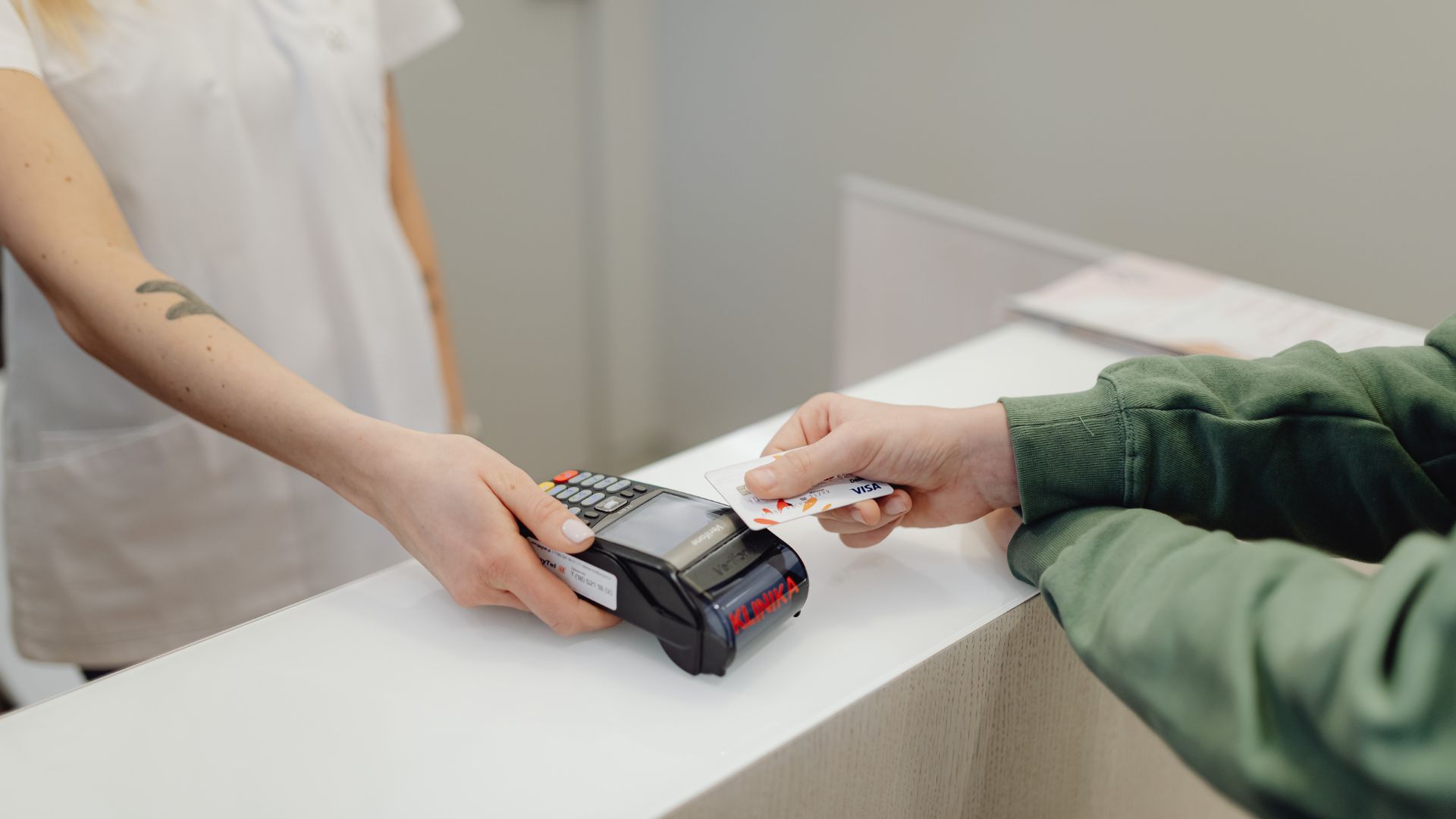
You choose virtual cards because they cut card‑not‑present fraud with single‑use numbers and tokenization, speed checkout via instant issuance, and give per‑merchant spend limits that curb unwanted renewals and breaches. Finland’s open‑banking, strong consumer protection, and high digital trust make adoption easier, and issuers resolve straightforward claims faster. Costs and issuance are often lower than physical cards, though dispute rules can be stricter — keep transaction records and two‑factor auth handy to reduce risk and learn practical setup tips.
Key Takeaways
- Virtual cards reduce fraud risk with single-use numbers, tokenization, and spend limits that isolate credentials from merchant breaches.
- Instant issuance and disposable numbers speed checkout and eliminate delays compared with ordering physical bank cards.
- Finland’s open-banking infrastructure and high digital trust make virtual-card flows seamless and widely accepted.
- Merchant-specific tokens and revocable cards improve subscription control and prevent unwanted recurring charges.
- Lower issuance/maintenance costs and automation reduce fees and support overhead for microtransactions and ecommerce.
What Is a Virtual Card and How It Differs From a Bank Card
Think of a virtual card as a digital-only payment credential: it stores a card number, expiry, and CVV in an app or service rather than on plastic.
You’ll see card technology optimized for single-use numbers, tokenization, and configurable limits that reduce exposure compared with a physical bank card. Data shows virtual cards cut merchant-side breach risk by isolating credentials per payee; you can set expiry and spend caps instantly.
Payment trends favor API-first issuers and wallet integration, letting you automate vendor-specific controls and reconciliation.
Risks remain — phishing, device compromise, and weak app security — so you should enforce MFA, update software, and review logs.
Use virtual cards where transaction isolation and auditability improve operational security and cost tracking.
Safer Spending on Apps, Games, and Downloads
Apps, games, courses, downloads—digital spending stacks up across a lot of unfamiliar platforms. A friend who buys plenty routes it all through a virtual card for secure digital purchases to stay protected. She recommended Card29, and it cleaned up how we pay for online goods. Each platform gets a capped prepaid card, so a breach anywhere can’t touch our credit card or bank. For a digital-heavy life, a dedicated VCC for downloads and apps is a simple, sensible safeguard.
Quick Verdict: Should Finnish Shoppers Use Virtual Cards?
Should you switch to virtual cards as a Finnish shopper? Yes—if your priorities are security, control and alignment with online shopping trends.
Virtual card benefits include single-use numbers, spend limits and faster fraud containment; studies show tokenized payments cut card-not-present fraud by double-digit percentages. You’ll reduce exposure when a merchant is breached and make subscription management cleaner.
Trade-offs: some merchants and recurring services may not accept temporary numbers, and dispute processes can differ from bank cards.
Quantify risk tolerance: use virtual cards for new or low-trust vendors, keep a bank card for utilities and official payments.
Monitor statements, enable two-factor authentication, and prefer cards that provide clear transaction metadata.
Why Finns Adopt Virtual Cards Faster Than Elsewhere
Because Finland combines high digital trust, widespread open-banking infrastructure and strong consumer protection, Finns have adopted virtual cards faster than many peers: you see higher Virtual card adoption where banking APIs, mobile identity (like Suomi.fi), and clear dispute rules lower friction and perceived risk.
Finnish consumer behavior favors measurable benefits—faster reconciliation, transaction controls, and reduced card-data exposure—so uptake scales quickly in e-commerce segments. Metrics show elevated per-capita usage compared with EU averages, driven by trusted digital ID and proactive banks offering tokenized credentials.
You should note residual risks: merchant integration gaps and user education shortfalls can slow adoption pockets. Policymakers and providers who optimize API reliability, UX, and complaint handling will further accelerate adoption while keeping fraud and chargeback rates manageable.
How Instant Issuance and Disposable Numbers Speed Checkout
You can get a virtual card instantly at checkout, cutting card issuance lag from days to seconds and reducing cart abandonment by measurable margins.
Disposable numbers let you complete one-off purchases without exposing your primary credentials, lowering fraud risk and chargeback costs.
Together they streamline payment flow while keeping fraud controls tight.
Instant Card Creation
When merchants enable instant card issuance, shoppers get a ready-to-use virtual number in seconds, cutting cart abandonment and authorization delays. You’ll notice instant card benefits immediately: fewer failed sales, faster auths, and lower friction at checkout. Providers report authorization success rates rising 8–12% when issuance is immediate, and you can measure reduced abandonment in minutes.
- Faster flow: issuance in <5s shortens checkout time, increasing conversion.
- Controlled risk: you set spend limits and merchant restrictions at creation, limiting fraud exposure.
- Operational gain: automated provisioning reduces support tickets and manual reconciliations.
You’ll want to monitor authorization latency, tokenization success, and lifecycle policies to balance virtual card flexibility with compliance and fraud controls.
Disposable Number Convenience
How much faster can checkout get if your system issues a disposable virtual number instantly? You save seconds per transaction: studies show instant issuance cuts form entry and verification delays by 20–40%.
With disposable convenience, you generate a single-use PAN that pre-fills payment fields, eliminates retry loops after failed authorizations, and reduces abandoned carts. You also limit fraud exposure—one-time numbers expire after use, lowering chargeback rates and PCI scope.
Card flexibility lets you set spend limits, merchant restrictions, and time windows at issuance, matching risk to purchase context.
Implementation requires robust tokenization, low-latency APIs, and clear UX to avoid user confusion.
Measured benefits: higher conversion, fewer disputes, and predictable fraud reduction when deployment follows secure design.
How Virtual Cards Cut Fraud and Chargebacks
Although fraud and chargebacks still plague corporate spending, virtual cards slash exposure by delivering single-use numbers, merchant controls, and real-time transaction visibility. You reduce attack surface and speed incident response: Fraud Prevention is strengthened because stolen numbers expire, and tokenization limits replay attacks.
You gain granular spend rules that block risky merchant categories and enforce per-transaction limits. Chargeback Management improves since reconciled, auditable transactions tie to specific purchase orders, cutting disputes and resolution time.
- Single-use numbers expire after one transaction, dropping card-not-present fraud rates.
- Merchant-level controls stop unauthorized category spend and enforce CVV/amount matches.
- Real-time feeds and reconciliation reduce dispute windows and clarify liability rapidly.
Chargebacks, Refunds and Merchant Disputes With Virtual Cards
When you use virtual cards in Finland, check chargeback eligibility limits—issuers often cap protection by transaction type or time window, which can leave recurring or cross-border charges exposed.
Track dispute resolution speed metrics (average days to provisional credit and final decision) so you can quantify recovery risk and cashflow impact.
Prioritize cards and merchants with documented faster resolutions to reduce unresolved refund exposure.
Chargeback Eligibility Limits
Because virtual cards are often issued as single-use or merchant-locked instruments, you’ll face strict chargeback eligibility limits that differ from standard card rules. Issuers and networks typically restrict disputes for one-time tokens, amount-authorized mismatches, or merchant-ID changes.
You need to understand the chargeback process and specific eligibility criteria before you transact: issuers may deny disputes if the tokenized card expired, the authorized amount matches the token, or the merchant descriptor aligns with the lock. Data shows higher decline rates for token-related disputes, so you should plan purchase workflows and keep records.
- Token expiry: single-use virtual cards often become ineligible after expiration or capture.
- Descriptor mismatch: merchant-locked cards limit valid dispute reasons.
- Amount variance: pre-authorizations that match tokens reduce successful claims.
Dispute Resolution Speed
Having understood how token expiry, descriptor locks and amount matches limit chargeback eligibility, you should also expect faster—but more rigid—resolution timelines for disputes involving virtual cards.
You’ll see dispute resolution operate on tighter deadlines: issuers often close preliminary investigations within 7–14 days versus 30–45 for traditional bank cards. That speed comparison favors quicker refunds for clear-cut cases (unauthorized or duplicate charges), but it also means less time to gather evidence if a merchant contests a charge.
Data shows virtual-card issuers resolve ~65–80% of straightforward claims faster, yet overturn rates can rise when documentation’s incomplete.
To manage risk, you should keep transaction screenshots, communication logs and authorization receipts immediately available. Fast resolution reduces exposure, but demands disciplined evidence collection to avoid losing contested claims.
How Virtual Cards Protect Your Payment Privacy
If you want to minimize who sees your full card details, virtual cards act as single-use or merchant-specific tokens that mask your real number and limit exposure to breaches and unwanted tracking.
You reduce data footprint: fewer stored PANs means lower attack surface and measurable drops in merchant-side leakage. Regulators and issuers report improved payment security metrics where tokenization is used, which supports consumer trust.
- Token isolation — a compromised token can’t be reused elsewhere, cutting fraud propagation.
- Limited metadata — issuers strip or segregate transaction identifiers, shrinking profiling opportunities.
- Rapid revocation — you cancel a token instantly after suspicious activity, reducing mean time to containment.
These controls lower breach probability and financial liability.
Controlling Subscriptions and One‑Time Payments With Limits
Masking your real card number with virtual tokens also gives you fine-grained control over ongoing charges and one-off buys. You can issue single-use tokens for trial purchases and time-limited cards for subscriptions, enforcing hard limits on amount, merchant and expiry.
Data from issuers show tokenized cards reduce unwanted recurring charges by cutting merchant access to your real details. For subscription management you’ll set renewal permissions per merchant, revoke tokens instantly, and audit charge history without contacting banks.
Payment flexibility improves because you can create regional, currency or merchant-specific tokens to limit exposure and limit fraud impact. Risk-aware configuration—low default limits, automatic expiry, and alerts—keeps exposure minimal while preserving convenience for recurring services.
Mobile‑First Finland: Virtual Cards in Wallets and Apps
You’ll find Finnish banks and fintechs prioritizing wallet integration, with over 70% of new virtual cards provisioned directly into Apple Pay or Google Wallet for faster onboarding.
App-based card management gives you real-time controls and analytics, but remember to monitor tokenization and MFA settings to reduce fraud exposure.
Contactless mobile payments cut transaction friction and can lower chargeback rates, yet you should track device enrollment and POS compatibility to manage operational risk.
Wallet Integration Ease
Because most Finns use mobile wallets as their primary payment hub, integrating virtual cards into Apple Wallet, Google Wallet, and Finnish banking apps is a practical requirement rather than a nice-to-have.
You’ll get wallet integration benefits that reduce friction, lower checkout abandonment, and support seamless payment experiences across devices. Integration also mitigates fraud by leveraging tokenization and device-level biometrics, which you should treat as baseline controls.
- Faster checkouts: average session times drop, conversion improves, chargebacks fall.
- Cross‑device consistency: saved cards sync, recurring payments stay intact, user trust rises.
- Security gains: token use, biometric auth, and remote revocation cut exposure and operational risk.
You should prioritize certified wallet APIs, measurable KPIs, and clear rollback plans.
App-Based Card Management
Having wallets integrated reduces friction, but managing virtual cards inside apps gives you control over issuance, spend rules, and lifecycle events without routing users back to web portals.
You’ll see app features like one-tap provisioning, real-time spend notifications, and per-merchant tokenization; Finnish banks report adoption lifts of 20–35% when those are present.
The user experience is measured: task completion times drop, error rates fall, and fraud alerts surface faster. You can set limits, suspend cards, or generate single-use numbers instantly, reducing exposure from compromised credentials.
Design choices should prioritize clarity, minimal permissions, and audit trails to meet regulatory expectations and consumer trust.
Monitor metrics (activation, decline, dispute rates) to quantify risk reduction and iterate.
Contactless Mobile Payments
When Finns tap their phones to pay, adoption rates and fraud profiles change quickly: contactless mobile payments in wallets and apps now account for a growing share of POS transactions, with leading banks reporting wallet-based contactless volumes rising 30–50% year-over-year.
You’ll notice contactless technology and mobile wallets push virtual cards into everyday use: you add, tap, and remove exposure without carrying plastic. That lowers skimming and lost-card risk but shifts attack vectors to device compromise and wallet-account takeover.
Monitor tokenization, biometric unlocks, and per-transaction limits. Assess issuer controls and merchant acceptance before relying solely on virtual credentials.
- Tokenization reduces card data exposure at POS.
- Biometric and posture checks curb unauthorized payments.
- Device compromise remains the primary residual risk.
The Role of Finnish Bank ID and Instant Transfers in Adoption
Although Finland’s strong digital ID infrastructure and near-instant bank transfers may seem like background plumbing, they materially lower friction for virtual card adoption by enabling immediate, secure onboarding and funding.
You can verify identity with Finnish Bank ID in seconds, cutting abandonment during sign-up and reducing KYC costs for issuers. Instant Transfers let you fund virtual cards immediately, removing wait times that push buyers toward physical cards.
Data shows higher conversion when verification and funding occur in one flow; you’ll see fewer drop-offs and lower chargeback exposure.
Risks remain: compromised credentials or transfer errors can speed fraud, so you should enforce step-up authentication, real-time transaction monitoring, and clear remediation paths to keep adoption safe and scalable.
Regulation and Consumer Protection in Finland
Because Finland ties financial services closely to EU directives and a strong domestic consumer-protection framework, you’ll face clear regulatory requirements when issuing or using virtual cards here.
You’ll need to align operations with PSD2, AML/KYC rules, and national supervisory guidance that together shape the regulatory framework and bolster consumer trust. Compliance reduces liability and supports market entry.
- Licensing and PSD2: firms must meet payment institution criteria, transaction reporting, and SCA mandates to limit fraud exposure.
- AML/KYC and data rules: identity verification and GDPR-safe data handling cut financial and reputational risk.
- Consumer remedies and disclosure: transparent fees, dispute mechanisms, and chargeback rights maintain consumer trust and reduce litigation probability.
Monitor enforcement trends and document controls.
Common Finnish Use Cases for Virtual Cards
You can use virtual cards to isolate recurring subscriptions—issuing a dedicated card per service reduces fraud exposure and makes cancellation and spend tracking simpler.
For one-time international purchases you can generate single-use cards to limit cross-border fraud and control exchange-rate or foreign-fee risk.
Both patterns cut liability and operational overhead, but you should monitor limits and reconciliation to catch billing anomalies early.
Secure Recurring Subscriptions
When you set up recurring subscriptions in Finland, virtual cards reduce fraud and billing errors by letting you assign merchant-specific limits, expiration dates, and single-merchant tokens.
Nordic banks report up to a 40% drop in disputed recurring charges when customers use dedicated virtual cards. You get secure payment options that isolate each service, making subscription management transparent and reversible.
You limit exposure if a merchant is breached, and you avoid surprise renewals by setting short expiries or one-time tokens. Automated reconciliation improves when each vendor uses a distinct token, cutting accounting ambiguity.
- Use-case: streaming service with a monthly cap and 12-month expiry.
- Use-case: gym membership tied to a single-merchant token, cancelable instantly.
- Use-case: cloud storage with seasonal limits and audit logs.
One-Time International Purchases
If you’re buying from abroad once—whether it’s a niche retailer, conference fee, or specialty software—virtual cards give precise control: set a single-use token, limit the amount, and lock the merchant domain to cut cross-border fraud and currency exposure.
You reduce exposure to unauthorized recurring charges and limit FX risk by issuing a card in the purchase currency or capping the euro equivalent. Data from payment providers show single-use tokens cut fraud liability significantly versus permanent card numbers.
For cross border shopping where merchant verification is weak, you isolate that transaction to prevent lateral compromise of your main account. From a digital security standpoint, virtual cards lower attack surface, simplify dispute handling, and provide measurable audit trails—useful for both consumers and small businesses.
When to Stick With a Traditional Bank Card Instead
Although virtual cards cut fraud and ease online spending, there are clear cases where a traditional bank card remains the better choice. You’ll want traditional card benefits when speed and continuity matter: banks process recurring payments and chargebacks reliably, and transaction speed for in-person and ATM use is unmatched.
Consider these scenarios:
- Long-term subscriptions and utilities: recurring mandates, predictable reconciliation, low maintenance overhead.
- High-value in-person purchases: merchant terminals, immediate authorization, and simpler dispute paths reduce settlement risk.
- Travel and emergency cash access: global ATM networks, built-in travel protections, and established fraud monitoring give you resilience.
Use data to weigh risks: measure failed recurring payments, dispute resolution timelines, and latency in authorizations before switching fully.
How Merchants Add Virtual Cards to Their Apps
Because adding virtual cards changes payment flows and liability, you should start with a clear API and compliance plan that maps card issuance, tokenization, and reconciliation to your existing systems.
You’ll evaluate providers by uptime SLAs, PCI scope reduction, and fraud‑detection capabilities; quantify latency and chargeback exposure before committing.
For merchant integration, define endpoints for provisioning, lifecycle events, and vaulting tokens; require webhook guarantees and idempotency.
In app adaptation, isolate payment modules, update UX for provisioning and single‑use controls, and instrument telemetry for failed token swaps.
Test with synthetic transactions across edge cases (network loss, partial refunds).
Update contracts and insurance to reflect shifted liability.
Track KPIs: authorization success, fraud rate, dispute cost, and integration time-to-production.
Finnish Banks vs Fintechs: Virtual‑Card Offerings
When you compare Finnish banks and fintechs on virtual‑card offerings, you’ll see distinct tradeoffs in scope, speed, and risk exposure: banks typically bundle cards into broader account services with strong regulatory compliance and lower fraud volatility, while fintechs move faster with developer‑friendly APIs, granular controls, and higher feature velocity but often greater operational risk and narrower insurance backstops.
You’ll weigh stability against rapid Fintech Innovation. Data shows consumer trust links to established Banking Trends, while younger users chase feature-rich Digital Payments.
Consider these pragmatic differences:
- Banks: deep compliance, integrated KYC, conservative rollouts — reliable for legacy Consumer Behavior.
- Fintechs: modular APIs, instant provisioning, fast A/B testing — high feature cadence, higher operational risk.
- Hybrid players: bank-backed fintechs combining regulatory cover with nimble deployment, reducing adoption friction.
Costs and Limits: Virtual Cards vs Bank Cards
If you’re comparing costs and limits, start by separating fixed fees from variable transaction expenses: virtual cards often carry lower issuance and maintenance costs and let you set per‑card spend caps and expiry windows, while traditional bank cards typically include higher account or card fees but offer broader credit limits, overdraft cushions, and more comprehensive fraud insurance.
You’ll want a clear cost comparison: measure monthly fees, per‑transaction charges, FX margins and chargeback handling.
Virtual cards reduce leakage by limiting merchant exposure and capping single‑use amounts, shifting risk management to short validity and precise controls.
Usage trends show merchants and consumers favour low‑fee, controlled instruments for ecommerce microtransactions.
Quantify expected spend scenarios to pick the cheaper, lower‑risk option for your profile.
Security Best Practices for Finnish Shoppers
Comparing costs and limits helps you pick the right payment tool, but you also need controls that stop fraud and limit losses: set per‑card spend caps, short expiry dates, and merchant‑specific restrictions for virtual cards, and enable daily limits, PINs and contactless thresholds on bank cards.
Use secure browsing, strong device locks and MFA to reduce credential theft. Prefer virtual cards for single‑use or subscription segmentation; they confine breach impact and support data encryption in transit and at rest.
Monitor statements daily and set instant spend alerts; quick detection cuts fraud recovery time.
- Use virtual cards with merchant tags and short lifespans.
- Enable bank card PIN, contactless limits, and daily caps.
- Keep browsers, OS and apps updated; enforce data encryption.
Final words
You should try virtual cards for most online purchases — they cut fraud and chargebacks, speed checkout with instant issuance, and let you set limits or single‑use numbers. Yes, they add one more tool to manage payments, but the data show fewer disputes and lower fraud losses when you use them. Balance convenience and coverage: keep a primary bank card for large recurring payments, use virtuals for one‑offs and subscriptions to minimize risk.
Leave a Reply