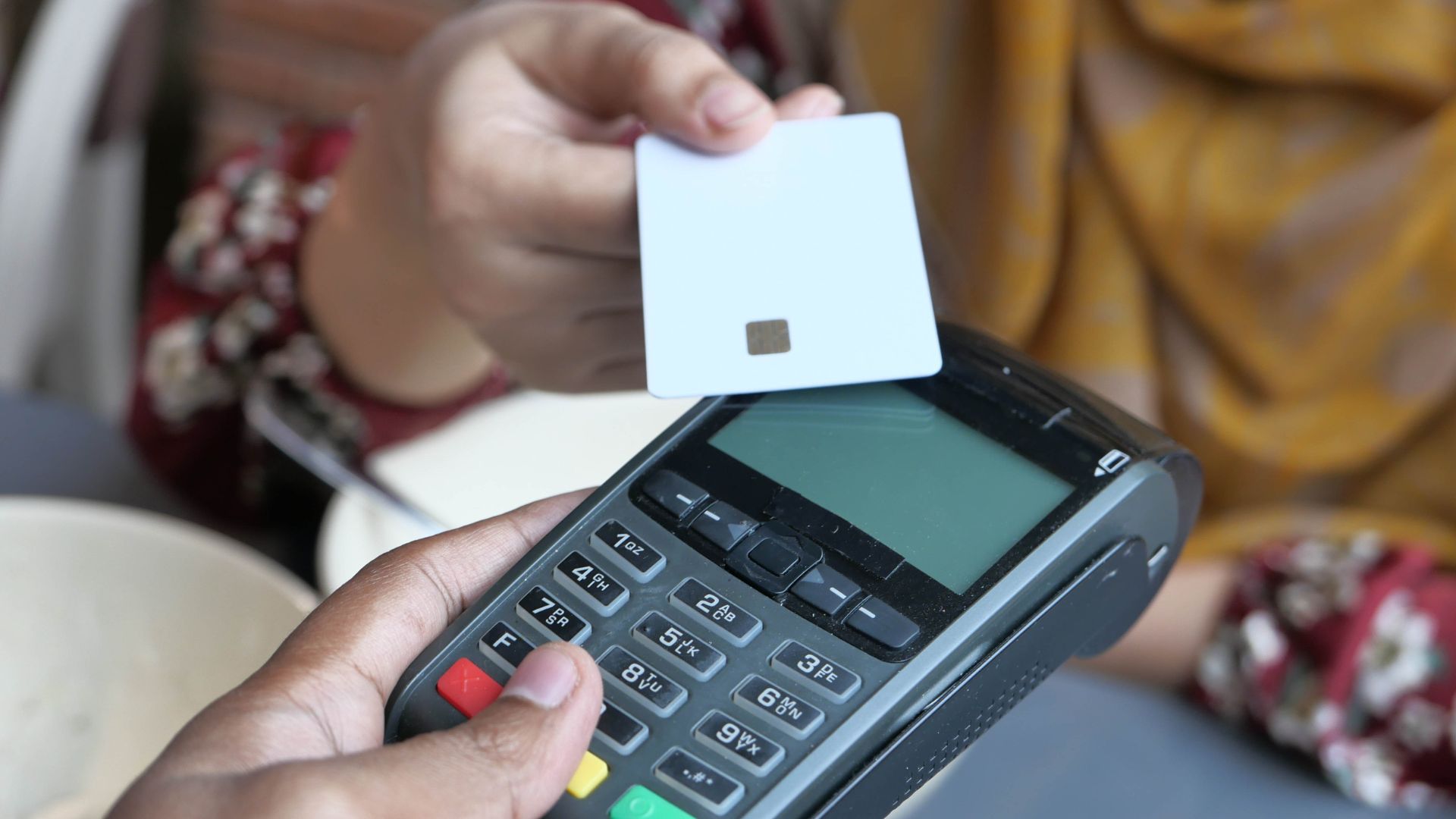
You can pay for VPNs and privacy tools in Austria using methods that trade convenience for privacy: cards and PayPal are easy but traceable, while prepaid vouchers, cash-bought gift cards, and privacy-focused cryptocurrencies let you stay anonymous. Use burner emails and Tor when redeeming vouchers, consider one-off lifetime deals carefully, and rotate virtual or single-use cards to avoid linkability. Want practical steps, local store options, and legal tips to set this up safely?
How to Choose a VPN Payment Method in Austria
How should you pick a VPN payment method in Austria? You’ll want to weigh VPN payment security and privacy considerations first.
Choose methods that limit linkability between your identity and the service—cash, prepaid cards, or anonymous crypto help here—while understanding each option’s operational steps and potential fees.
If convenience matters, credit cards and PayPal work but increase traceability; use them only with providers that minimize stored billing data.
Check whether the VPN supports billing aliases, disposable emails, or third-party resellers to reduce exposure.
Confirm the provider’s logging policy, jurisdiction, and accepted dispute-resolution paths; those affect how payment data might be requested or subpoenaed.
Balance anonymity, convenience, and cost to match your threat model.
Best One-Off Payment for VPNs in Austria (Quick Answer)
If you want a one-off VPN option in Austria, look for reputable lifetime deals or verified one-time purchase plans that include regular updates and support.
You’ll want to check the provider’s reputation and refund policy, and prefer trustworthy payment methods like card, PayPal, or crypto for privacy.
Don’t buy sketchy lifetime offers without confirming long-term viability and company stability.
Lifetime VPN Deals
When you want a single payment that covers long-term VPN use, lifetime deals can look appealing — but they come with trade-offs you should know about.
You’ll see lifetime savings compared to yearly plans, and that immediate bargain feels great. Yet lifetime offers often come from smaller providers, carry limited support, and might lack updates or new features you’d get with subscription benefits.
Consider longevity risk: the company could fold or stop development, leaving you without patches. Check refund policies, ownership terms, and whether the deal limits simultaneous connections or server access.
If you value stability, frequent feature updates, and privacy audits, a subscription might still be wiser despite higher recurring costs. Buy lifetime only after careful vetting.
One-Time Payment Options
Lifetime deals aren’t for everyone, so you might prefer a true one-time payment that buys a perpetual license or device-bound VPN without recurring fees.
You’ll get a straightforward ownership model: pay once, install on specified devices, and use indefinitely. One time payments simplify budgeting and avoid subscription management, but check update and support terms—some vendors limit patches or features for single-sale licenses.
You should also evaluate privacy concerns: ask how the provider logs activity, where servers and parent companies are located, and whether the purchase ties your identity to the account.
Read terms, verify refund and transfer policies, and prefer vendors with clear no-logs promises and independent audits before committing to a one-off VPN purchase.
Trustworthy Payment Methods
Because you want a one-off payment that’s private and reliable, consider using cryptocurrencies or prepaid vouchers as your first choices in Austria.
You’ll get secure transactions without tying purchases to your bank account. Bitcoin, Litecoin, and privacy-focused coins let you transfer funds directly to a VPN provider that accepts crypto, preserving payment anonymity if you avoid reusing addresses and mix coins when needed.
Prepaid vouchers and gift cards bought with cash at local shops offer a straightforward, low-tech route: redeem codes online so providers never see your personal payment details.
For both methods, verify the vendor’s refund and activation policies, and prefer providers with clear instructions for anonymous redemptions to maintain privacy and ensure smooth, secure transactions.
Buy a VPN With Cash in Austria: Where and How
If you prefer not to use cards or online payment methods, you can still buy a VPN with cash in Austria by purchasing a prepaid voucher or paying through a third-party reseller; several providers let you redeem codes bought at kiosks, supermarkets, or electronics stores.
You’ll want to check provider pages for accepted voucher brands and confirm redemption steps before leaving the store. Use cash purchases at local retailers to avoid linking bank data.
Keep the receipt and any printed code secure until you redeem. Remember to create your account and apply the code over a secure connection.
- Choose a provider that supports voucher redemption.
- Buy from trusted local retailers to reduce fraud risk.
- Redeem promptly and enable privacy settings after activation.
Setting Up a Card in Less Time Than a Coffee Break
We assumed getting a new card meant forms, waiting, and a trip to the mailbox. A friend laughed and said he can create a virtual card faster than he can brew coffee. He recommended Qwikvcc, and he wasn’t overselling it. In moments we had a working prepaid card ready for checkout—no plastic, no delay, no exposing our main credit card. The sheer speed reset how we think about online payments; a VCC really can be that immediate.
Prepaid Vouchers & Gift Cards for VPNs: Anonymity and Stores
Prepaid vouchers and gift cards let you pay for a VPN without linking your name or bank details, making them a good follow-up to buying codes with cash at local shops.
You can pick prepaid options from major retailers, gas stations, or supermarkets — look for gift cards explicitly usable for online services or app stores.
At the register, pay in cash, keep the receipt only if you need proof, and scratch off the code privately.
When redeeming, avoid logging into accounts tied to your identity; create a throwaway email if needed.
Check store locations’ opening hours and regional availability before you go.
Remember that vouchers protect payment privacy but not service logs or email-based account setup.
Austrian Debit & Credit Cards: Privacy, Fees, and Tips
When you pay with an Austrian debit or credit card, the transaction will be tied to your name and bank, so consider how that affects privacy.
Check your bank’s domestic card fees and foreign transaction charges to avoid surprises if the VPN vendor is abroad.
If you want more privacy, you can use a virtual card or single-use card number to limit exposure.
Card Transaction Privacy
Although Austrian banks generally log merchant names and transaction details, you can still reduce what gets tied to your identity by choosing the right card and payment habits.
Focus on transaction security—use cards with strong 3D Secure and tokenisation to limit fraud, and avoid storing card details with VPN vendors. If you want more privacy, combine limited-use virtual cards or prepaid options to approach anonymous payments without breaking rules.
- Use single-use virtual cards for online purchases to isolate vendor charges.
- Prefer prepaid or gift cards bought in cash when you need tighter vendor unlinkability.
- Keep statements minimal: reconcile quickly and disable merchant descriptors where possible.
These steps balance privacy with legal banking practices in Austria.
Domestic Card Fees
Because domestic card fees can quietly add up, you should compare debit and credit card costs before subscribing to a VPN. Check monthly maintenance, foreign-transaction waivers, and per-transaction charges that local banks may apply for recurring VPN payments.
Look for cards that combine good domestic card security with low or no subscription fees so you don’t erode savings over time.
Ask your bank about chargeback policies and how fees are applied to digital services, since clear terms help preserve transaction privacy and let you dispute unwanted charges.
If you use multiple cards, allocate one with transparent fees to VPN payments to track costs. Regularly review statements to spot subtle increases and switch providers when fees start cutting into your budget.
Using Virtual Cards
If you want to limit exposure from recurring VPN charges while keeping card fees low, virtual cards are a smart next step after comparing domestic card costs.
You can generate single-use or limited-life numbers from your bank or fintech, reducing merchant access to your primary Austrian debit or credit card. Virtual card security helps prevent card-data leaks and makes it easy to cancel a compromised number without closing accounts.
They also let you control currency conversion settings for international transactions, often avoiding heavy cross-border fees.
- Use single-use virtual cards for subscription trials to stop unwanted renewals.
- Pick providers with clear fee schedules to avoid hidden international transactions costs.
- Monitor statements and revoke numbers when you suspect misuse.
Virtual & Disposable Cards to Reduce Traceability
When you want to pay for a VPN without linking the purchase to your main bank account or identity, virtual and disposable cards offer a practical solution.
You can create virtual wallets that generate one‑time or short‑lived card numbers, letting you make anonymous transactions and reduce traceability concerns. These cards improve payment security by limiting exposure if details are leaked, and they support payment anonymity for low‑risk VPN subscriptions.
For digital privacy, use providers that don’t require extensive ID verification and that prioritize identity protection.
Disposable cards are great for trial periods or single purchases, while reloadable virtual wallets suit ongoing secure purchases.
Always check issuer terms and local regulations to balance convenience with compliance.
PayPal Alternatives and E‑Vouchers for VPNs in Austria
You can use cash-based e‑vouchers at many retailers to buy VPN subscriptions without linking a bank account.
Prepaid cards give you more flexibility and are widely accepted, while crypto-friendly gateways let you pay with Bitcoin or other coins for extra privacy.
Compare fees and acceptance before you pick the option that fits your threat model.
Cash-Based E‑Vouchers
Cash-based e‑vouchers let you buy VPN subscriptions without linking a bank account or PayPal, and they’re widely available at supermarkets, kiosks, and online voucher resellers across Austria.
You’ll enjoy e voucher benefits like anonymity at purchase, simple redemption codes, and limits on traceable billing that support cash privacy. Use them when you want a quick, low-profile payment path.
- Convenience: buy in person or from resellers, redeem instantly, avoid account setup.
- Privacy tradeoffs: vouchers reduce payment trails but providers may still log usage; read their policies.
- Practical tips: keep receipts, check expiry, buy the right denomination and confirm voucher compatibility before purchase.
These steps help you use e‑vouchers effectively for private VPN access.
Prepaid Card Options
If e‑vouchers aren’t convenient, prepaid cards give another straightforward way to pay for VPNs without linking your bank or PayPal. You can buy reloadable or single‑use prepaid card types at supermarkets, kiosks, and online retailers.
Choose reloadable cards if you want repeat purchases or long‑term subscriptions; pick single‑use cards for one‑time anonymity. Check issuer activation, regional restrictions, and whether the VPN accepts the card brand.
For a clear benefits comparison, weigh privacy (less bank linking), convenience (easy reloads), and cost (fees vary). Keep receipts and register only if required by the card’s terms.
Prepaid cards won’t offer blockchain‑level anonymity, but they’re a simple, widely accepted PayPal alternative for many VPN providers in Austria.
Crypto-Friendly Gateways
When you want stronger privacy than traditional payment rails offer, crypto-friendly gateways and e-vouchers provide practical PayPal alternatives for buying VPNs in Austria. You can convert fiat to crypto or buy voucher codes without exposing your bank details.
Focus on vendors that emphasize crypto transaction security and minimal KYC, and consider privacy coin selection if you need extra anonymity.
- Use noncustodial gateways to reduce counterparty risk and protect your identity.
- Buy e-vouchers at retail or online, redeem them with VPN providers that accept voucher codes.
- Prefer privacy-focused coins or mixing services only where legal and supported, balancing anonymity with compliance.
Check fees, confirmation times, and vendor reputation before transacting.
Crypto for VPN Payments: Which Coins Are Most Private?
Curious which cryptocurrencies actually keep your VPN payments private? You’ll want coins built for crypto anonymity: Monero (XMR) tops the list with ring signatures and stealth addresses that hide sender, receiver, and amount.
Zcash (in shielded mode) offers zk-SNARKs to conceal transaction details, though some wallets default to transparent transactions.
Dash and Beam provide optional privacy features but vary by implementation and user settings.
Bitcoin and Ethereum are poor choices unless layered with mixers or tumblers, which introduce trust and legal risks.
For coin comparisons, focus on default privacy, ease of use, wallet support, and network traceability.
Choose a privacy coin your VPN accepts, use recommended wallet options, and confirm the provider’s handling of on-chain payments before sending funds.
How to Buy Crypto Privately in Austria and Send It to Providers
Because privacy depends on choices you make from purchase to payment, you should plan each step: pick an anonymous-friendly exchange or P2P platform that works in Austria, use a privacy coin and a non-custodial wallet you control, and take precautions like avoiding KYC services, using Tor or a VPN while transacting, and sending funds through appropriate privacy-preserving tools (mixers or native coin features) before paying your provider.
Buy on crypto exchanges that support EUR cash or P2P trades without mandatory KYC, or use cash-to-crypto services where legal. Move funds to privacy wallets (or coins with built-in obfuscation), and route through mixers or native privacy features.
Then send a single consolidated payment to the provider to minimize on-chain linkage.
- Reduce touchpoints.
- Isolate purchase from payment.
- Log minimal transaction metadata.
Managing Recurring VPN Billing Without Exposing Your Identity
To keep recurring VPN payments private, use anonymous payment methods like prepaid cards or privacy-focused crypto.
Rotate virtual card numbers for each subscription so billing details don’t link back to you.
Automate renewals behind privacy guards—separate email, burner phone for verification, and a VPN-protected device.
Use Anonymous Payment Methods
Managing recurring VPN payments without revealing your identity takes some planning, but you can keep subscriptions anonymous by choosing the right payment methods and settings.
You’ll want to combine anonymous cryptocurrencies and privacy enhancing tools to minimize links between your identity and payments. Use wallets that don’t require KYC, mix funds where legal, and send payments via addresses not tied to personal accounts.
Consider prepaid options and privacy-friendly gateways to avoid exposing bank details.
- Use anonymous cryptocurrencies with reputable noncustodial wallets and optional coin mixers where lawful.
- Buy prepaid vouchers or gift cards with cash, then redeem them for VPN subscriptions.
- Use privacy enhancing tools like Tor or a clean device when creating accounts and submitting payment details.
Rotate Virtual Card Numbers
When you want recurring VPN billing without tying charges back to your main accounts, rotate virtual card numbers so each subscription uses a unique, disposable payment token.
You create a new card for each provider, limiting exposure if one service is compromised or leaks billing data. This practice preserves your primary account details and reduces cross-service linkability.
Choose issuers that highlight virtual card benefits like easy cancellation, per-merchant limits, and randomized numbers. Monitor expirations and top-ups so subscriptions don’t fail, and keep minimal, separate contact info for billing.
Use cards only for recurring charges you trust, and revoke or rotate a card immediately if you suspect misuse. These steps keep secure transactions compartmentalized and hard to trace back to you.
Automate With Privacy Guards
Rotating virtual card numbers gives you per-service compartmentalization, but you can go further by automating recurring payments behind privacy guards so your identity stays hidden without constant manual upkeep.
You set up a dedicated privacy proxy (masked email, forwarding phone, virtual mailbox) and link it to a privacy-preserving payment method that supports automated privacy and secure transactions. That way, renewals happen without exposing your real details.
- Use a virtual card tied to an alias and enable recurring limits to contain breaches.
- Route invoices to a masked email and virtual mailbox to avoid vendor profiling.
- Prefer payment services offering tokenization or anonymous subscriptions to ensure secure transactions and revoke access instantly if needed.
Refunds, Chargebacks, and Anonymity Pitfalls to Avoid
Although refunds and chargebacks can feel like safety nets, they carry financial and privacy risks you should know before trying them. When you request refunds, providers log transactions and support exchanges; understanding refund processes helps you anticipate what records remain tied to your account.
Chargebacks trigger disputes with banks or processors and often require account identification, which can expose payment metadata.
To preserve anonymity, prefer prepaid methods or privacy-respecting intermediaries from the start rather than relying on post-purchase reversals. Avoid using linked personal accounts for disputes, and don’t assume disputes erase traces: companies and banks retain logs.
If anonymity matters, plan payment and fallback strategies that minimize direct links between your identity and the VPN purchase, and accept that refunds may undermine those efforts.
Austrian KYC, Tax, and Legal Rules for VPN & Crypto Buyers
Since Austria ties certain payment methods to identity and financial reporting, you should understand how KYC, tax, and legal rules affect VPN and crypto purchases before you pay.
Austrian regulations require many exchanges and some payment services to collect ID, so KYC implications can remove payment anonymity. You’ll face tax considerations if you trade or realize gains from crypto under current crypto legislation; reportable events may trigger reporting to authorities.
Legal compliance means providers and intermediaries may be obliged to retain or disclose data. Balance privacy challenges against consumer rights: know complaint and appeal routes if your data’s mishandled.
- Understand which services enforce KYC and why.
- Track taxable events and keep records.
- Check provider policies for legal compliance and data retention.
Practical Step-by-Step: Make an Anonymous VPN Purchase
Now that you know how KYC, tax, and legal rules can affect payment choices, here’s a focused, step-by-step guide to buying a VPN anonymously in Austria.
First, pick a reputable provider that accepts non-traceable payments and has a clear no-logs policy.
Second, create a burner email using Tor or a privacy-focused browser; avoid personal details.
Third, obtain anonymous funds: prepaid cash vouchers, privacy coins exchanged at a trusted service, or prepaid cards bought with cash.
Fourth, connect through Tor or a VPN-over-Tor when submitting payment and registering.
Fifth, use minimal account info and enable two-factor methods that preserve anonymity (hardware tokens or app-generated codes without phone links).
Finally, verify login and payment only over secure, private networks to complete anonymous purchases while following pragmatic privacy strategies.
Long-Term Privacy: Maintain Anonymous VPN Subscriptions
If you want your VPN to stay anonymous over months or years, treat it like any other ongoing privacy practice: regularly audit account details, payment methods, and access patterns to minimize linking back to you.
You’ll need discipline to keep long term subscriptions from becoming identifying. Rotate anonymous transactions where possible, avoid reusing personal emails, and monitor login locations to spot unusual linkage.
Consider renewing with prepaid vouchers or cryptocurrencies that support privacy, and use burner emails or PGP for receipts. Periodically reassess provider logs and jurisdiction changes.
- Rotate payment channels: split renewals between vouchers, crypto, and gift cards.
- Compartmentalize identities: unique emails, devices, and browsers per subscription.
- Audit access: check IPs, timestamps, and revoke stale devices regularly.
Quick Decision Checklist: Pick the Right Payment Method
Which payment method fits your threat model and convenience needs best? Start by listing priorities: do you value Payment Anonymity more than ease? Do you need strong Payment Security against fraud or chargebacks?
If anonymity tops the list, choose cash, cryptocurrencies with proper mixing, or prepaid vouchers bought in person.
If security and recovery matter, use a credit card or trusted wallet with two-factor authentication.
Consider provider policies: does the vendor log billing data or offer anonymous accounts? Factor in jurisdictional risks—Austrian banking rules may require ID for some methods.
Balance convenience: recurring billing favors cards, one-time anonymity favors vouchers.
Pick the simplest option that satisfies both Payment Security and Payment Anonymity for your threat model.
Frequently Asked Questions
Can I Use a VPN Paid With Anonymous Methods to Open a Bank Account in Austria?
Yes — you can use anonymous payment methods for a VPN, but banking regulations require verified identity to open an Austrian bank account, so the bank will still ask for ID and documentation despite your anonymous VPN payment choice.
Will Using Tor While Purchasing a VPN Improve Payment Anonymity?
Yes — Tor benefits you by hiding your IP while purchasing a VPN, but payment methods still affect anonymity levels; you’ll need privacy-preserving options to maximize anonymity, and VPN security won’t compensate for identifying payment details.
Do VPN Providers Ever Disclose Buyer Lists to Domestic Employers?
Yes — providers sometimes disclose buyer lists to domestic employers, and sometimes they don’t; you should check VPN provider transparency, read logs and policy terms, and assume employee monitoring requests can be granted if legal pressure applies.
Can I Legally Donate VPN Refunds to Charity to Obscure Transaction Trails?
You can’t rely on donating VPN refunds to legally guarantee transaction privacy; donation legality varies, and charities may record payments. You should consult legal advice and use privacy-preserving payment methods if you want stronger transaction privacy protections.
How Do VPN Trial Periods Affect Tax Reporting for Austrian Freelancers?
VPN trial periods usually don’t create taxable income; you’ll still track costs if you convert trials to paid subscriptions. You’ll need to document expenses, meet Austrian tax obligations, and claim freelancer deductions only for legitimate, business-related fees.
Final words
You can protect your online privacy in Austria without sacrificing convenience, and often without tying purchases to your real identity. Try the theory that cash and prepaid vouchers really are the safest options: in practice they minimize links between you and a VPN provider, but they can still leave traces via store CCTV or card activation logs. Weigh convenience, cost and risk, pick a method that fits your threat model, and keep operational security consistent.
Leave a Reply