Industrial facilities require continuous maintenance to support safe operations, equipment performance, and long-term infrastructure stability. Manufacturing plants, mining sites, warehouses, logistics centers, and processing facilities operate under demanding conditions every day. These environments depend on structured maintenance solutions to reduce downtime and improve operational efficiency.
Building maintenance services for industrial facilities cover electrical systems, mechanical equipment, structural repairs, plumbing systems, roofing, HVAC systems, safety equipment, and infrastructure inspections. Industrial buildings often contain heavy machinery, high-voltage systems, and large structural frameworks that require regular servicing and monitoring.
Many businesses rely on Industrial infrastructure services in Western Australia to maintain industrial assets and support production continuity. These services help industries reduce equipment failure risks while maintaining compliance with workplace safety regulations.
Importance of Industrial Building Maintenance
Industrial maintenance protects infrastructure from wear, corrosion, environmental exposure, and equipment breakdowns. Heavy operational loads and continuous production schedules place stress on industrial systems every day. Without proper maintenance, facilities may experience structural damage, production delays, and higher repair costs.
Routine maintenance improves equipment lifespan and helps businesses avoid costly emergency shutdowns. Research across industrial sectors shows that preventive maintenance can reduce unplanned downtime by up to 40%. Scheduled inspections also improve workplace safety and operational reliability.
Industrial infrastructure services in Western Australia are widely used in mining, oil and gas, transportation, marine, and manufacturing industries. These sectors require advanced maintenance strategies because infrastructure operates under high pressure, heat, vibration, and environmental exposure.
Core Maintenance Services for Industrial Facilities
Industrial maintenance programs include several essential services that support facility performance and safety. Electrical maintenance includes switchboard inspections, cable testing, lighting repairs, motor inspections, and emergency power system maintenance. Regular testing reduces electrical hazards and improves operational stability.
Mechanical maintenance focuses on pumps, conveyors, compressors, turbines, hydraulic systems, and rotating equipment. Technicians inspect components for vibration, alignment issues, wear, and lubrication problems. Early detection helps reduce major equipment failures.
HVAC systems are important in industrial facilities because temperature control affects both equipment performance and worker safety. Maintenance teams clean ventilation systems, inspect ductwork, replace filters, and service cooling systems to improve air quality and energy efficiency.
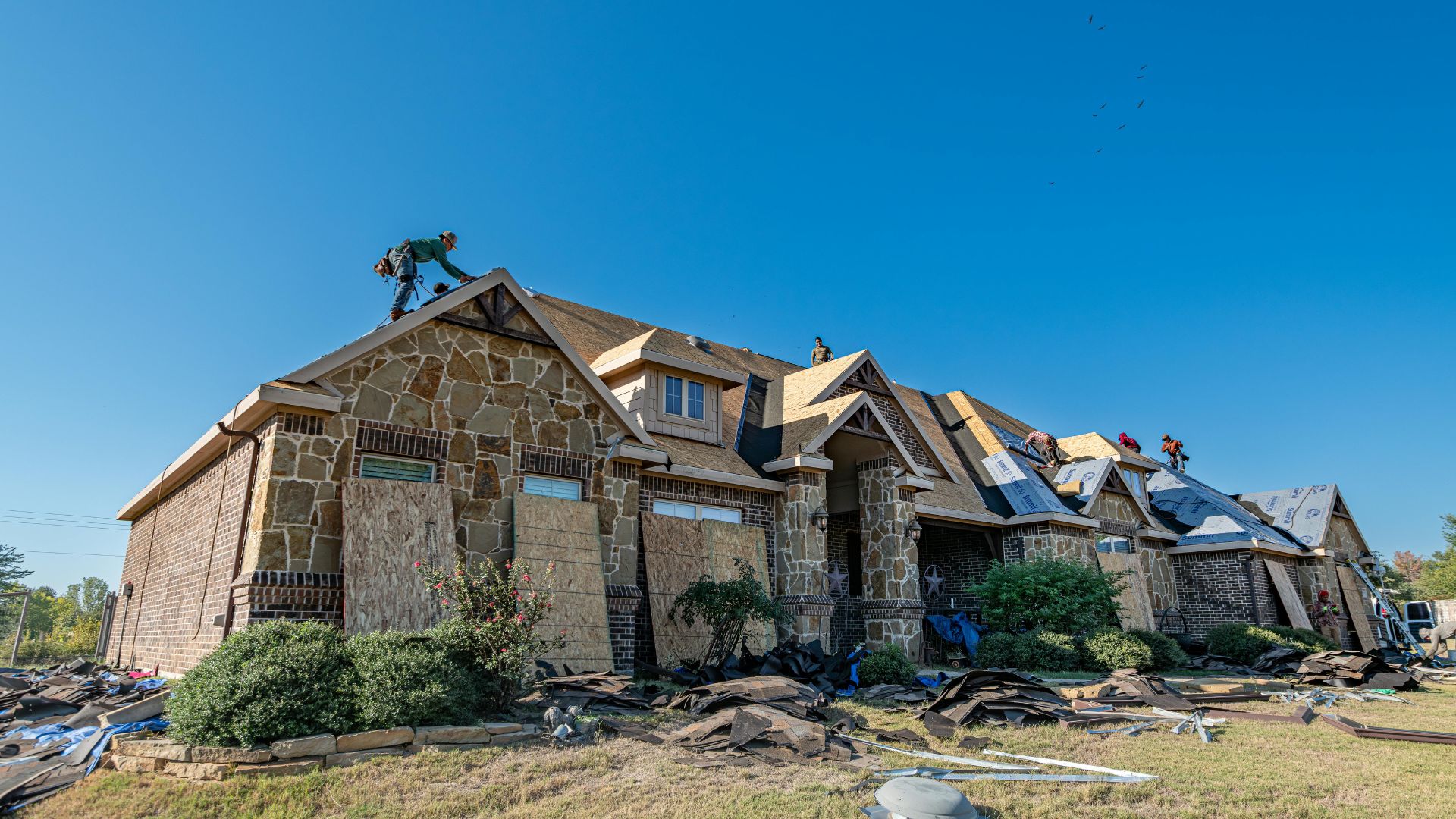
Roof inspections are also critical in industrial buildings. Large roof surfaces are exposed to weather, heat, rain, and corrosion. Maintenance teams inspect drainage systems, roof membranes, flashing, and support structures to prevent water damage.
Industrial infrastructure services in Western Australia also include steel fabrication repairs, industrial coatings, shutdown maintenance, and infrastructure upgrades for large-scale facilities.
Preventive Maintenance Strategies
Preventive maintenance uses scheduled servicing and inspections to reduce the risk of unexpected equipment failure. Industrial facilities commonly use weekly, monthly, quarterly, and annual maintenance plans to monitor infrastructure conditions.
Maintenance schedules often include:
- Equipment inspections
- Lubrication services
- Safety system testing
- Structural assessments
- HVAC servicing
- Electrical diagnostics
Preventive maintenance reduces repair costs and improves operational efficiency. It also helps maintenance teams identify minor issues before they develop into major infrastructure failures.
Industrial infrastructure services in Western Australia frequently apply predictive maintenance technologies such as thermal imaging, vibration analysis, and condition monitoring systems. These technologies allow maintenance teams to detect equipment performance changes early.
Workplace Safety and Compliance
Industrial facilities must comply with strict workplace safety standards and operational regulations. Maintenance services support compliance through routine inspections, hazard identification, and system testing.
Fire safety systems require regular inspection to ensure emergency equipment functions correctly during incidents. Maintenance teams test alarms, sprinkler systems, emergency lighting, and fire suppression systems according to Australian safety requirements.
Structural inspections are also necessary in industrial environments. Heavy machinery, vibrations, and environmental exposure can weaken steel frameworks and supporting structures over time. Routine inspections help identify cracks, corrosion, and structural fatigue before serious damage occurs.
Industrial infrastructure services in Western Australia support safety compliance across mining operations, industrial plants, and logistics facilities. These services help companies maintain safe working conditions while reducing operational risks.
Benefits of Professional Industrial Maintenance Services
Professional maintenance providers deliver technical expertise, advanced inspection methods, and structured maintenance planning. Skilled technicians understand the operational requirements of industrial facilities and use specialized equipment to inspect complex systems safely.
Reliable maintenance services improve productivity by reducing equipment downtime and improving infrastructure performance. Businesses also benefit from lower long-term maintenance costs and better asset management.
Industrial facilities that maintain equipment regularly often experience improved operational efficiency and reduced emergency repair expenses. Well-maintained facilities also support safer working environments for employees and contractors.
Industrial infrastructure services in Western Australia continue to support industrial growth across multiple sectors through advanced maintenance solutions and infrastructure management services.
Maintenance Challenges in Industrial Facilities
Industrial environments present unique maintenance challenges due to continuous operations and harsh working conditions. Heat, moisture, dust, chemicals, and heavy mechanical loads increase the risk of equipment deterioration.
Remote industrial locations can also create maintenance difficulties. Mining and energy facilities in Western Australia often require specialized maintenance teams capable of working in isolated environments with strict safety procedures.
Shutdown maintenance is another important area in industrial operations. Planned shutdowns allow maintenance teams to inspect, repair, and upgrade critical systems while minimizing production interruptions. Effective shutdown planning helps facilities complete maintenance activities within scheduled timeframes.
Industrial infrastructure services in Western Australia often include shutdown coordination, workforce management, equipment replacement, and infrastructure modernization projects.
Choosing the Right Maintenance Provider
Selecting a qualified maintenance contractor is important for industrial facility performance and long-term reliability. Businesses should evaluate technical expertise, safety certifications, response times, and industry experience before choosing a provider.
Experienced maintenance providers offer detailed inspection reports, asset tracking systems, and preventive maintenance planning. They also understand industry regulations and safety standards required for industrial operations.
Companies providing Industrial infrastructure services in Western Australia often support complex projects across mining, manufacturing, logistics, and infrastructure sectors. Their experience helps businesses maintain operational continuity and infrastructure reliability.
FAQ
What are industrial building maintenance services?
Industrial building maintenance services include inspection, repair, servicing, and monitoring of industrial systems such as electrical equipment, mechanical machinery, HVAC systems, roofing, and structural infrastructure.
Why is preventive maintenance important in industrial facilities?
Preventive maintenance helps reduce equipment failure, lowers repair costs, improves workplace safety, and supports continuous operations.
How often should industrial facilities receive maintenance inspections?
Inspection frequency depends on equipment usage, operational demands, and industry regulations. Many facilities perform weekly, monthly, quarterly, and annual inspections.
What industries use industrial infrastructure maintenance services?
Mining, oil and gas, logistics, manufacturing, transportation, marine, and processing industries commonly use industrial maintenance services.
How do maintenance services improve operational efficiency?
Maintenance services improve equipment performance, reduce downtime, extend asset lifespan, and help facilities operate more efficiently.
Conclusion
Complete building maintenance solutions are essential for industrial facilities operating in demanding environments. Regular maintenance improves equipment reliability, workplace safety, and infrastructure performance. Industrial facilities depend on structured maintenance programs to reduce operational risks and support long-term productivity.
Industrial infrastructure services in Western Australia continue to provide critical support for industrial sectors through preventive maintenance, infrastructure repairs, shutdown services, and advanced inspection solutions. Reliable maintenance planning helps businesses protect industrial assets while maintaining safe and efficient operations.
Leave a Reply